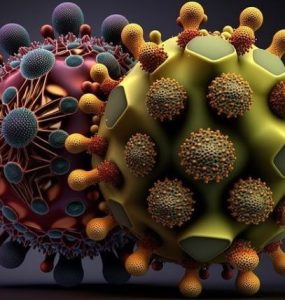
The latest omicron subvariants carry specific mutations that may allow the SARS-CoV-2 virus to be better at evading immune protection Over the last year, a whole different family of COVID-19 variants has emerged...

Imperial College London hosted the Natural Sciences Research Showcase on 26 September that spotlighted cutting-edge research by the Faculty of Natural Science’s early-career scientists. Bringing the event to a close was...
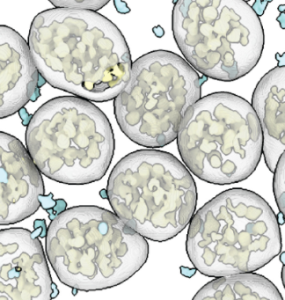
Researchers from the Medical Universities of Vienna and Innsbruck have discovered that SARS-CoV-2 exploits three key host proteins that typically suppress the activity of the complement system—a crucial component of...
Scientists investigating animal viruses with potential to infect humans have identified a critical protein that could enable spillover of a family of organisms called arteriviruses. In a new study, researchers...
Investigators led by Pablo Penaloza-MacMaster, PhD, associate professor of Microbiology-Immunology, have discovered that administering an antibody treatment four days after mRNA vaccination enhances immune responses and...
Scientists at the Icahn School of Medicine at Mount Sinai have developed a novel antibody platform called the Adaptive Multi-Epitope Targeting and Avidity-Enhanced (AMETA) Nanobody Platform, designed to counteract viral...
During the COVID pandemic, many of us have received multiple mRNA vaccines. New work by researchers at the VIB-UGent Center for Inflammation Research, Ghent University, and University Hospital Ghent, among others, has...
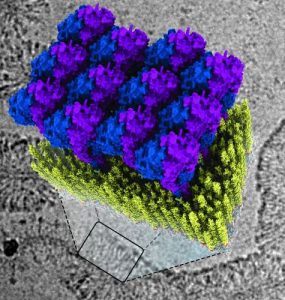
Scientists at Delft University of Technology have discovered that our immune system uses Guanylate Binding Proteins (GBPs) to fight off bacterial infections by forming a destructive coat around bacteria. This research...
A new mRNA-based vaccine offers significant promise in both treating and preventing the highly contagious and notoriously difficult-to-treat Clostridioides difficile (C. difficile) infection, also known as C. diff. In...
The value of mRNA licensing agreements has skyrocketed by a staggering 800% between 2019 and 2024, driven by the success of mRNA-based COVID-19 vaccines and growing confidence in the technology’s broader...