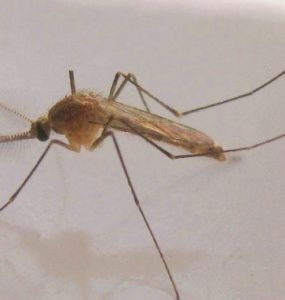
Rift Valley fever (RVF) is a mosquito-borne viral zoonosis that affects humans and livestock, primarily in Africa, with occasional outbreaks in the Middle East. The following summarizes current knowledge on clinical...

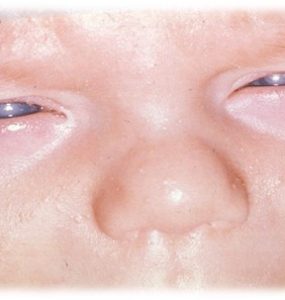
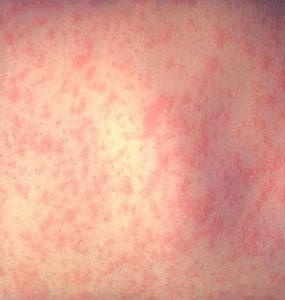
Recent rubella epidemiology, including congenital rubella syndrome (CRS), shows global disparities and recurring outbreaks in areas of suboptimal vaccine coverage. Surveillance data through October 2025 highlight...
Epidemiologic overview (2025) As of October 7, 2025, a total of 1,563 confirmed measles cases have been reported in the United States, spanning 42 jurisdictions, including major metropolitan areas such as New York City...
Key points AH3N2 is now the dominant influenza strain; influenza activity and severe complications are increasing. Severe complications and mortality predominantly affect adults aged ≥50 years, particularly those ≥65...
A chikungunya fever (CF) outbreak was reported in Foshan City, Guangdong Province, China, in July 2025, marking the largest local transmission event recorded in the country to date. Chikungunya, caused by the...
Background Aluminum-based adjuvants are critical components of many non-live vaccines, enhancing the immune response to antigens. Despite decades of widespread use, concerns persist about potential chronic health...
Fill Form to Download Overview HBV disease is a significant cause of acute and chronic liver disease worldwide. Mother-to-infant transmission is the main mode of transmission to susceptible subjects, which can be...
The 2025 Nobel Prize in Physiology or Medicine was awarded to Mary E. Brunkow, Fred Ramsdell, and Shimon Sakaguchi for their groundbreaking discoveries on peripheral immune tolerance, a fundamental aspect of the immune...
Here is a five-step framework that captures the realistic trajectory of how AI will transform healthcare delivery, specifically in infectious diseases. The goals of patient care – today and tomorrow – are to...