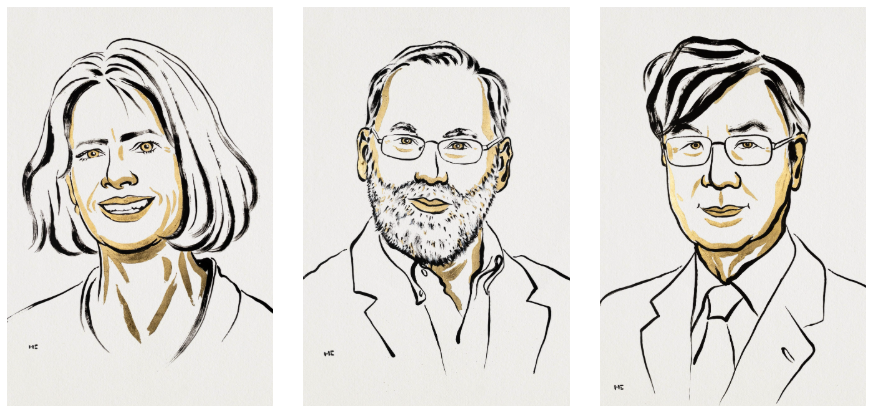
The 2025 Nobel Prize in Physiology or Medicine was awarded to Mary E. Brunkow, Fred Ramsdell, and Shimon Sakaguchi for their groundbreaking discoveries on peripheral immune tolerance, a fundamental aspect of the immune system that prevents it from attacking the body’s own tissues and organs. Their research has transformed modern immunology, created new therapeutic approaches for autoimmune diseases, enabled advances in transplantation, and paved the way for novel immuno-oncology treatments Peripheral immune tolerance: Transforming immunology Peripheral immune tolerance refers to mechanisms that prevent the immune system from harming its own cells and tissues. Before their work, it was widely believed that immune tolerance relied primarily on the elimination of self-reactive immune cells early in development—the concept of central tolerance. However, Sakaguchi, Brunkow, and Ramsdell’s research revealed that the immune system also utilizes specialized cells known as regulatory T cells (Tregs) to actively restrain immune responses in the body’s periphery, thus maintaining self-tolerance...
🔒 Premium Content - For Free
Unlock this content by becoming a Global Health Press subscriber. Join for exclusive articles, expert research, and valuable insights!