Researchers develop genetically attenuated parasite (GAP) that arrests late in the liver stage of human malaria In an unprecedented first, scientists at Seattle Children’s Research Institute have developed a...
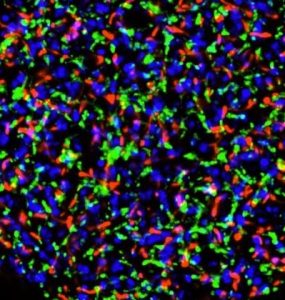
In regions of the world where malaria is endemic, pregnant women who contract the infection face severe health risks as well as complications in their pregnancies. Blood cells infected with malaria-causing Plasmodium...
The malaria vaccine RTS,S provides sustained protection against severe malaria 7 years after immunization, according to extended findings from a phase 3 trial published in The Lancet Infectious Diseases. Initial results...
Having secured the funds for the initial phase of the deployment of the world’s first malaria vaccine, the World Health Organization (WHO) announced it will be rolled out in sub-Saharan Africa and immunization campaigns...
Scientists have identified genetic markers associated with resistance to the one of the most commonly used malaria drugs in Southeast Asia. The findings of two independent studies from Cambodia, published in The Lancet...
In 1927, Austrian physician Julius Wagner-Jauregg won the Nobel Prize in Physiology or Medicine for his discovery of the therapeutic value of malaria inoculation in the treatment of dementia paralytica associated with...
Malaria is one of the most notorious killers up to now. Developing a vaccine against the disease posed challenges as the parasite that caused the disease out maneuver the host immune response. However, a team of...
The protection provided by the world’s first malaria vaccine all but disappears after seven years, according to a new study. A phase-two clinical trial of Mosquirix (RTS,S) in Kenya showed just 4 percent effectiveness...
An experimental vaccine against malaria known as Mosquirix—or RTS,S—weakens over time and is only about four percent effective over a seven-year span, researchers said Wednesday. The findings, published in the New...
Each year, malaria kills around half a million people, most of whom are children under 5. Unfortunately there is no cure for the devastating disease, but according to a recent study, we may be close to the next best...