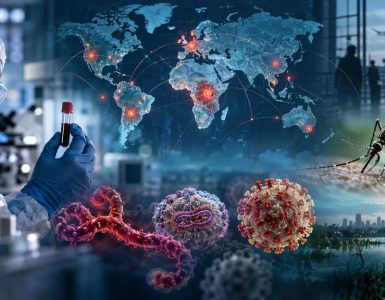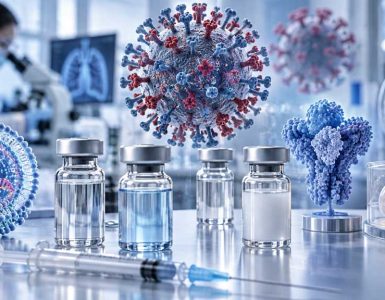
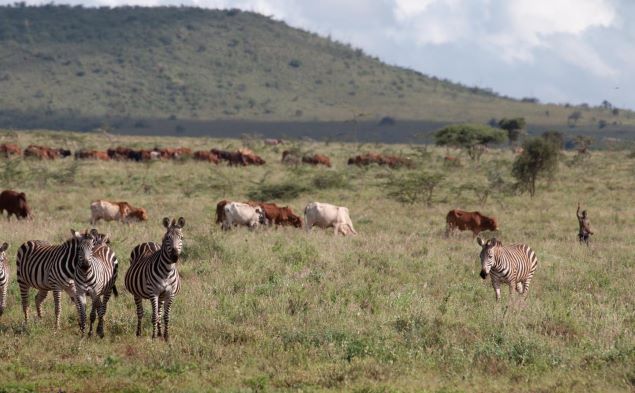
In the midst of a devastating global pandemic of wildlife origin and with future spillovers imminent as humans continue to come into closer contact with wildlife, infectious-disease models that consider the full ecological and anthropological contexts of disease transmission are critical to the health of all life. Existing models are limited in their ability to predict disease emergence, since they rarely consider the dynamics of the hosts and ecosystems from which pandemics emerge. Published May 17 in Nature Ecology and Evolution, Smithsonian scientists and partners provide a framework for a new approach to modeling infectious diseases. It adapts established methods developed to study the planet’s natural systems, including climate change, ocean circulation and forest growth, and applies them to parasites and pathogens that cause disease. Increased human-animal interactions lead to the emergence and spread of zoonotic pathogens, which cause about 75% of infectious diseases affecting human health. Predicting where, how and when...
🔒 Premium Content - For Free
Unlock this content by becoming a Global Health Press subscriber. Join for exclusive articles, expert research, and valuable insights!