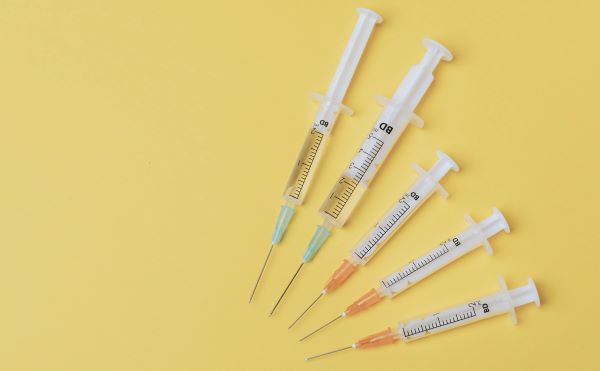
An international study has shown for the first time how empathetic correction of misinformation among vaccine-hesitant patients can significantly improve attitudes towards vaccination – and potentially boost vaccine uptake. The research, led by the University of Bristol, also found this new style of communication could help build and maintain a positive relationship with health professionals, increasing trust and public confidence. With the UK currently facing a growing measles outbreak, fuelled by declining rates of the Measles, Mumps, and Rubella (MMR) vaccination, the results are timely and present important learnings for vaccine delivery programmes. Its findings, published today in the journal Health Psychology, found the more than two-thirds (around 69%) of vaccine-hesitant study participants who received empathetic engagement from a healthcare professional preferred this compared with a group who were just told the facts. Lead author Dr Dawn Holford, Senior Research Associate in Psychology, said: “Although we expected people to generally respond more positively...
🔒 Premium Content - For Free
Unlock this content by becoming a Global Health Press subscriber. Join for exclusive articles, expert research, and valuable insights!