
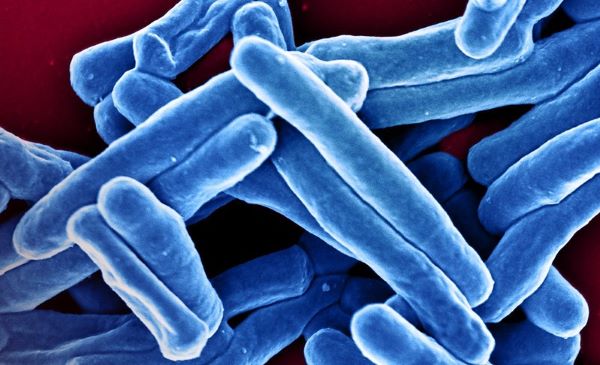
Tuberculosis dates back more than 9,000 years. It is the most infectious bacterial disease and in 2022 10.6 million people fell ill with it. Of these 23% occurred in Africa. The only vaccine against tuberculosis, the Bacillus Calmette-Guérin (BCG) vaccine, is more than 100 years old and is primarily effective for infants and young children. Researchers at the University of the Witwatersrand School of Pathology have made a significant breakthrough in vaccine development by gene-editing the BCG to make it more effective. Mice vaccinated with the modified BCG vaccine were better able to limit tuberculosis growth in their lungs than mice that had received the original vaccine. Microbiologist Bavesh Kana, one of the lead researchers, explains to Nadine Dreyer from The Conversation Africa the science behind this breakthrough and the potential it holds for other vaccines. How do vaccines work? Vaccines primarily work by mimicking dangerous infectious agents. You want your immune system to recognise the...
🔒 Premium Content - For Free
Unlock this content by becoming a Global Health Press subscriber. Join for exclusive articles, expert research, and valuable insights!