
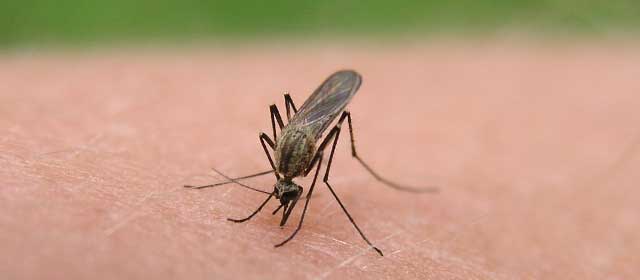
Researchers at the University of Texas Medical Branch have developed the first accurate predictive model to differentiate between dengue fever (DF) and its more severe form, dengue hemorrhagic fever (DHF). The breakthrough, which could vastly reduce the disease’s mortality rate, was reported in related papers in The American Journal of Tropical Medicine and Hygiene and Clinical and Translational Science. These studies could lead to a personalized approach to treatment of dengue fever. Approximately 2.5 billion people – more than 40 percent of the world’s population – are at risk for dengue infection, mainly in tropical and subtropical regions. An estimated 500,000 people with DHF are hospitalized each year, a large proportion of whom are children, and about 12,500 of those affected die. Dengue is remerging in the Americas – with 1.6 million cases in 2010 – due to increasing urbanization, globalization of travel and the reduced use of DDT pesticide. In...
🔒 Premium Content - For Free
Unlock this content by becoming a Global Health Press subscriber. Join for exclusive articles, expert research, and valuable insights!