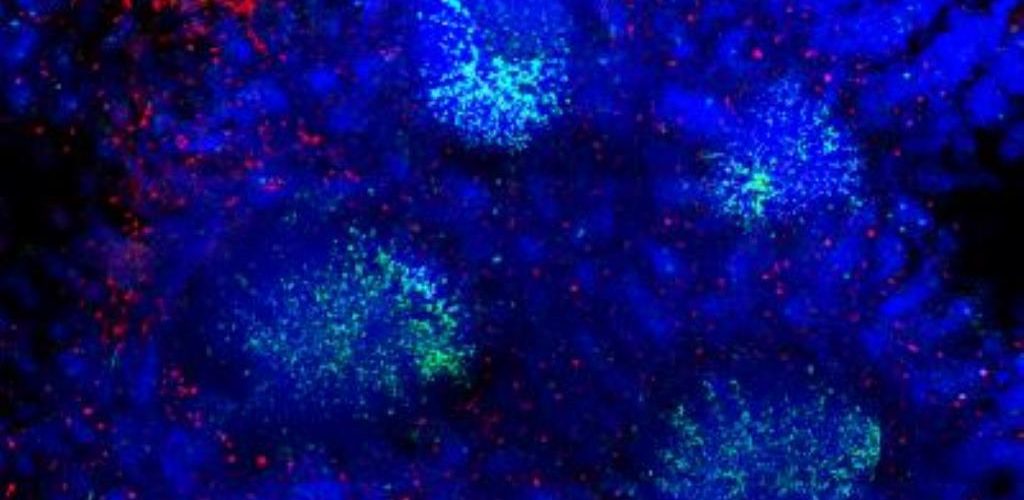
Fresh insights into infectious brain conditions help to explain why some people – and animals – are more at risk than others. The study reveals how prion diseases – which include variant Creutzfeldt-Jakob disease (vCJD) in people and bovine spongiform encephalopathy (BSE) in cows – can infect the gut if contaminated meat has been eaten. Specialised cells called M cells are key to whether or not the infection can take hold, the research in mice has found. Researchers say factors that affect the abundance of M cells in the lining of the gut – such as inflammation, infection or ageing – could influence a person’s risk of contracting prion diseases after consuming infected food. M cells are found in the lining of the gut and are part of the body’s defences against infections. These specialised cells play a key role in transporting material across the lining of the gut where other cells of the...
🔒 Premium Content - For Free
Unlock this content by becoming a Global Health Press subscriber. Join for exclusive articles, expert research, and valuable insights!