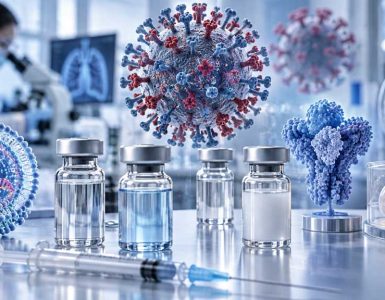

Identifying these helper immune cells could inform future vaccine design For most vaccines to work the body needs two cell types – B cells and T helper cells – to make antibodies. B cells are the antibody factories and the T helper cells refine the strength and accuracy of antibodies to home and attack their targets. A technique that identifies these helper immune cells could inform future vaccine design, especially for vulnerable populations. Flu vaccines work by priming the immune system with purified proteins from the outer layer of killed flu viruses. An antibody is a protein that recognizes a unique pathogen molecule called an antigen that is specific for a particular strain. Antibodies bind to their targets with precision in the best of circumstances. In doing so, the antibody blocks a harmful microbe from replicating or marks it to be killed by other immune cells. The level of antibodies in the blood...
🔒 Premium Content - For Free
Unlock this content by becoming a Global Health Press subscriber. Join for exclusive articles, expert research, and valuable insights!