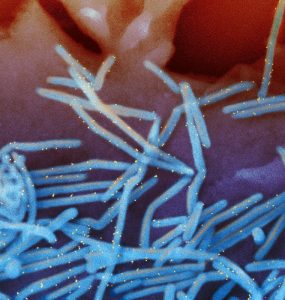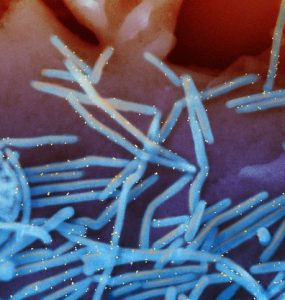
Background Understanding the transmission and dispersal of iinfluenza and respiratory syncytial virus (RSV) via aerosolsvia aerosols is essential for the development of preventative measures in hospital environments and...

A vaccine for the common and sometimes deadly RSV (respiratory syncytial virus) has been elusive, but scientists say a new discovery puts them much closer to success. A new study from The Ohio State University provides...
An experimental vaccine against respiratory syncytial virus (RSV), one of the leading causes of infectious disease deaths in infants, has shown early promise in a Phase 1 human clinical trial. A team of researchers...
A unique adjuvant, a substance that enhances the body’s immune response to toxins and foreign matter, can prevent vaccine-enhanced respiratory disease, a sickness that has posed a major hurdle in vaccine development for...
Engineered immune cells may provide a novel way to protect at-risk populations from life-threatening viruses, according to a new study published on 17 May in Science Immunology. So far, the effects have only been...
Scientists have identified a type of immune cell in the lungs of humans that may help fight respiratory syncytial virus (RSV). The virus is one of the main causes of childhood hospitalisation, severe lung infection in...
Researchers at Georgia State University say a vaccine containing virus-like microscopic, genetically engineered particles — i.e.: nanoparticles, has been shown to be an effective treatment for respiratory syncytial...
Scientists at The Scripps Research Institute (TSRI) have invented a new method for designing artificial proteins, and have used it to make key ingredients for a candidate vaccine against a dangerous virus, respiratory...
A vaccine which uses ‘gold dust’ to boost the immune system has been developed by scientists. The technique sees tiny gold particles used to mimic a virus and carry proteins to immune cells in the body. Traditional...