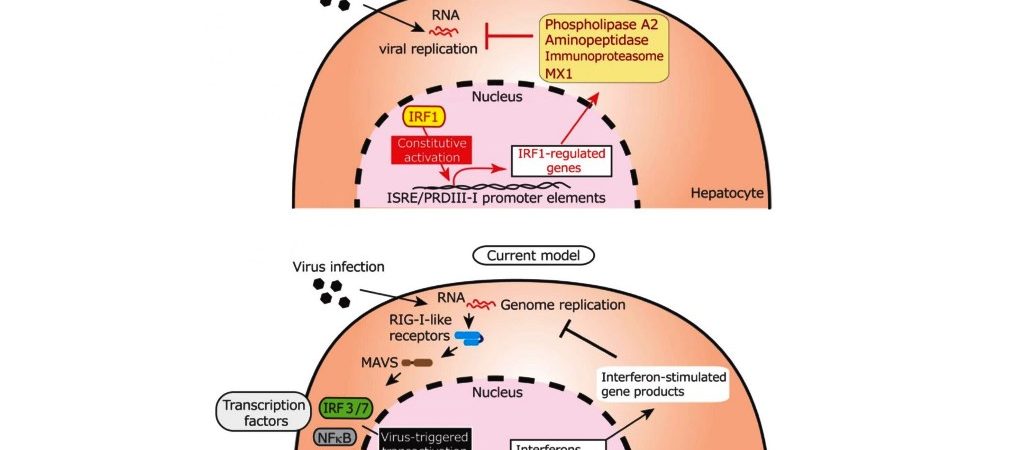
Liver cells have an innate resistance to RNA viral infections like hepatitis A, dengue and Zika thanks to a protein called IRF1, according to researchers at the University of North Carolina at Chapel Hill (UNC) and Tokyo Metropolitan Institute of Medical Science (TMIMS). When present in liver cells, this IRF1 protein regulates RARRES3, an enzyme that when expressed in cells where hepatitis A virus is trying to set up shop, will attack the virus. These results were published in Nature Microbiology. “We discovered that IRF1 is a master regulator of intrinsic resistance to viruses in liver cells,” said Stanley M. Lemon, M.D., the study’s co-author and a professor of medicine, microbiology, and immunology in the UNC School of Medicine. “If present in liver cells, IRF-1 ensures that RARRES-3, an enzyme that acts on lipids, makes the cell hostile or restrictive to hepatitis A infection.” In 2019 alone, there have been several outbreaks of...
🔒 Premium Content - For Free
Unlock this content by becoming a Global Health Press subscriber. Join for exclusive articles, expert research, and valuable insights!