
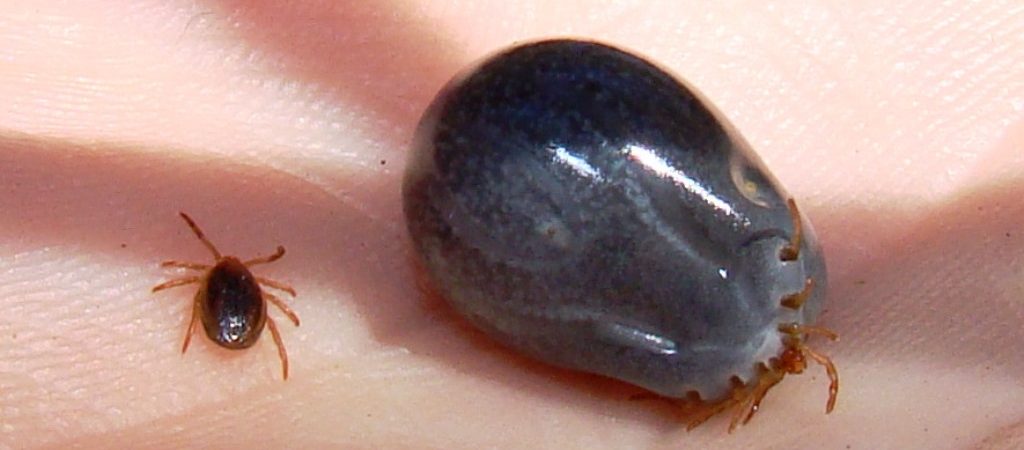
Saliva from a tick’s bite can transmit pathogens that cause serious illnesses, such as Lyme disease, and significant agricultural losses. Current insecticides have drawbacks, so scientists have been seeking new ways to prevent these pesky arachnids from spreading pathogens. Now, researchers report that compounds they previously identified can dry up ticks’ saliva by upsetting the balance of ions in the salivary gland, reducing feeding and potentially limiting pathogen transmission. “Lyme disease is exploding in the northeastern U.S.,” says Daniel Swale, Ph.D., the project’s principal investigator. “Most methods to kill ticks in the agricultural sector involve the use of neurotoxic insecticides, but it’s difficult to effectively use these insecticides to control ticks in residential areas. So, we wanted to identify a new way to control these disease-carrying ticks.” “We knew that the salivary gland is critical to the biological success of ticks, suggesting it had potential as a target for a pesticide that...
🔒 Premium Content - For Free
Unlock this content by becoming a Global Health Press subscriber. Join for exclusive articles, expert research, and valuable insights!