
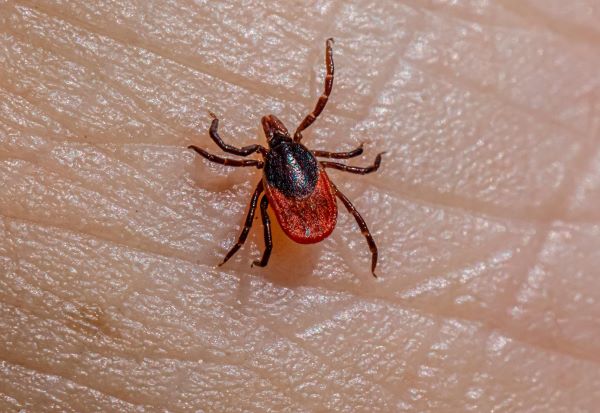
Lyme borreliosis is a zoonotic tick-borne bacterial disease caused by several species within the Borrelia burgdorferi sensu lato complex, transmitted to humans by ticks of the Ixodes ricinus complex and characterized by early localized, early disseminated, and late clinical manifestations. It is the most common tick-borne disease in the Northern Hemisphere, with clinical phenotypes and causative species differing between North America and Europe, and with most patients achieving microbiological cure and gradual symptom resolution after appropriate antibiotic therapy, although a subset experiences prolonged, predominantly subjective complaints. Microbiology Pathogenic Lyme borreliae are spirochetes in the B. burgdorferi sensu lato group; more than 20 genospecies have been detected in nature, of which Borrelia afzelii, Borrelia garinii, Borrelia bavariensis, and Borrelia burgdorferi sensu stricto account for most human infections. These organisms are highly motile, corkscrew-shaped bacteria with periplasmic flagella and a segmented genome in which an approximately 1 Mb linear chromosome and a large set...
🔒 Premium Content - For Free
Unlock this content by becoming a Global Health Press subscriber. Join for exclusive articles, expert research, and valuable insights!