
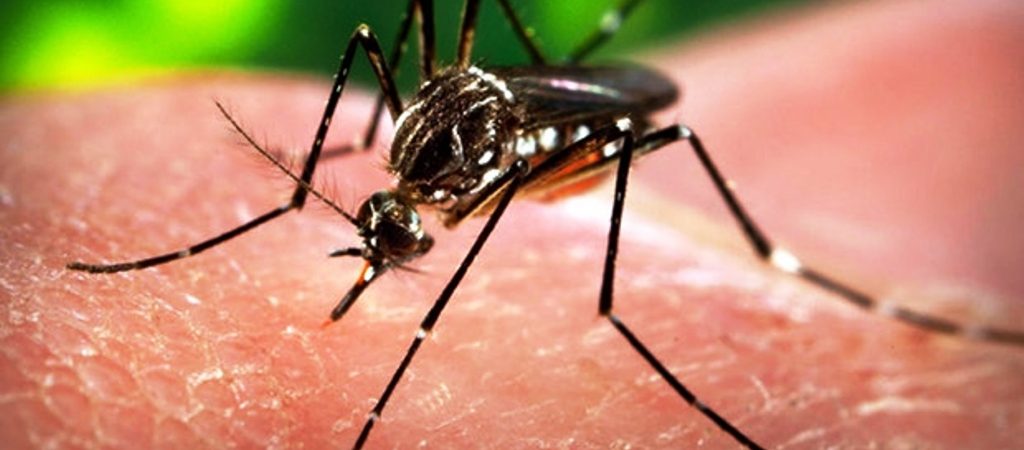
Scientists have reported an effective and environmentally sustainable way to block the transmission of mosquito-borne dengue virus, in trials carried out in Malaysia. Using a strain of the bacteria Wolbachia, which inhibit mosquitoes from transmitting viruses to humans, researchers at the Universities of Glasgow and Melbourne and the Institute for Medical Research in Malaysia were successfully able to reduce cases of dengue at sites in Kuala Lumpur. Their data, published in Current Biology, shows that mosquitoes carrying the wAlbB strain of Wolbachia, when released into the wild, had the effect of reducing the incidence of dengue cases by 40%. Previously, scientists have carried out successful mosquito releases using a different strain of the Wolbachia bacteria, but while this strain was effective in some conditions, it did not appear to be suitable for use in the very hot conditions experienced in equatorial countries such as Malaysia. Now, this international team of researchers has shown...
🔒 Premium Content - For Free
Unlock this content by becoming a Global Health Press subscriber. Join for exclusive articles, expert research, and valuable insights!