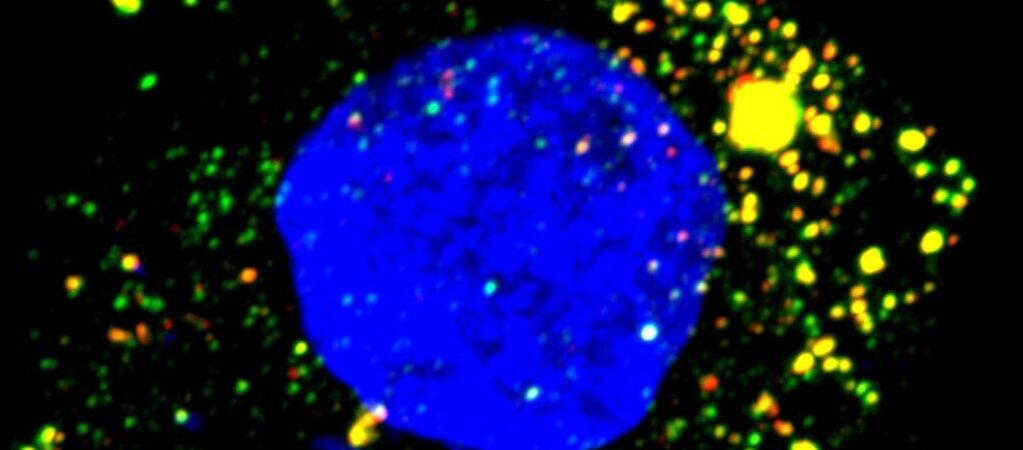
With no current treatments for hepatitis A, UNC School of Medicine scientists led by Stanley M. Lemon, MD, discovered how a protein and enzymes interact to allow hepatitis A virus to replicate, and they used a known drug to stop viral replication in an animal model. The viral replication cycle is crucial for a virus to spread inside the body and cause disease. Focusing on that cycle in the hepatitis A virus (HAV), UNC School of Medicine scientists discovered that replication requires specific interactions between the human protein ZCCHC14 and a group of enzymes called TENT4 poly(A) polymerases. They also found that the oral compound RG7834 stopped replication at a key step, making it impossible for the virus to infect liver cells. These findings, published in the Proceedings of the National Academy of Sciences, are the first to demonstrate an effective drug treatment against HAV in an animal model of the disease. “Our...
🔒 Premium Content - For Free
Unlock this content by becoming a Global Health Press subscriber. Join for exclusive articles, expert research, and valuable insights!