
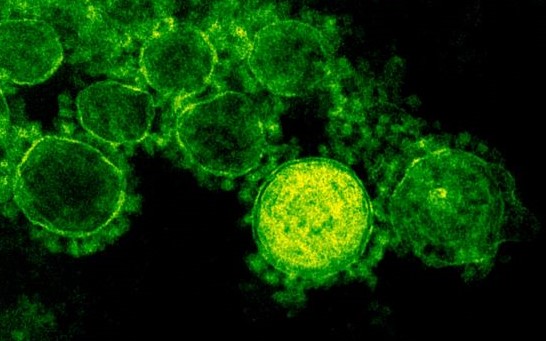
Scientists from Australia and the USA have developed a lymph node-targeted multi-epitope subunit vaccine that induces strong humoral and cellular immune responses against Epstein-Barr virus (EBV) in mice. The study is published in the journal Nature Communications. Epstein-Barr virus (EBV) is a ubiquitous herpesvirus, infecting approximately 95% of the global population. The virus infects resting B cells in the oropharynx and induces transcriptional programming of these cells to establish life-long viral latency. In adults, EBV can induce the development of symptomatic infectious mononucleosis, which is a major risk factor for multiple sclerosis and Hodgkin lymphoma. In addition, EBV infection is associated with the development of multiple lymphoid and epithelial cancers worldwide. In this study, scientists have developed a lymph node-targeting multi-epitope subunit vaccine against EVB and tested its efficacy in Human Leukocyte Antigen (HLA)-expressing mice. Vaccine design Scientists analyzed known human CD8+ T cell epitopes from EBV antigens to design a polyepitope vaccine immunogen that...
🔒 Premium Content - For Free
Unlock this content by becoming a Global Health Press subscriber. Join for exclusive articles, expert research, and valuable insights!