
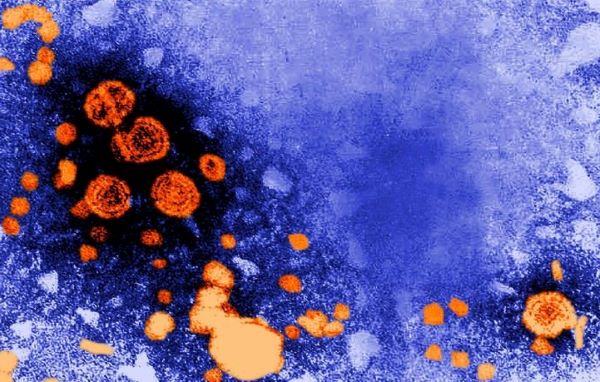
Hepatitis B virus (HBV) infection remains a significant global health concern, with nearly 300 million individuals chronically infected worldwide. To combat this public health challenge, the World Health Organization (WHO) has set a target for HBV elimination by 2030, emphasizing the importance of achieving 90% infant vaccine coverage. However, ongoing challenges with awareness and misinformation may hinder the agency’s efforts. There’s no shortage of data demonstrating the effectiveness of the HBV vaccine in preventing infection, but additional benefits from the prevention of chronic infection have also been perceived, with reduced rates of liver failure, cirrhosis, and other related comorbidities. Still, questions have been raised over the past 30 years about long-term protection and vaccine-escape mutants. Many of these fears have been quelled, however, by persistent protection in most populations and most regions and no real ground gained by mutants. Perhaps the most significant factor recently affecting HBV infection rates and vaccination status...
🔒 Premium Content - For Free
Unlock this content by becoming a Global Health Press subscriber. Join for exclusive articles, expert research, and valuable insights!