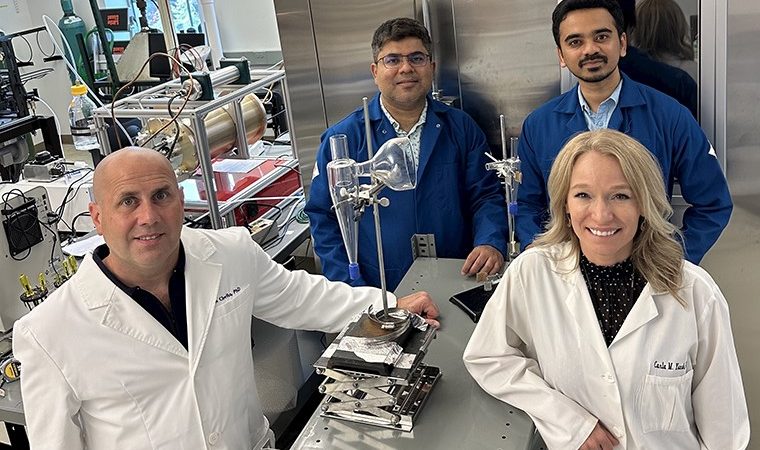
Quick detection of the COVID-19 virus — in the air and in one’s breath — offers hope in the nearly four-year struggle against the disease and its variants. A collaboration of WashU scientists is leading the way. We’ve come a long way in the 43 months since March 2020, when the World Health Organization declared a global pandemic in the wake of the SARS-CoV-2 virus outbreak, but still we can’t shake it. Long COVID remains a mystery and a new variant has popped up. A renewed booster shot is now available, and nearly four years later, masking remains an important part of the public health conversation. But there is reason for optimism, thanks to a multidisciplinary team of Washington University in St. Louis researchers. This summer, researchers from the School of Medicine and the McKelvey School of Engineering published two papers announcing the development of two new devices that ultimately could go...
🔒 Premium Content - For Free
Unlock this content by becoming a Global Health Press subscriber. Join for exclusive articles, expert research, and valuable insights!