
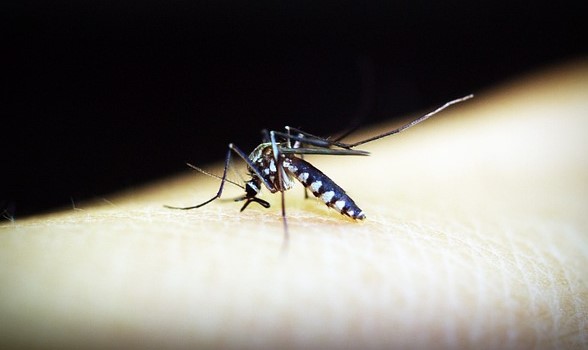
As one of the tropical world’s most pernicious pathogens, the dengue virus is responsible for millions of infections and thousands of deaths each year. Now, researchers have made new discoveries about dengue epidemics in Nicaragua, which could redefine how scientists understand immunity against this virus. The results contradict the conventional wisdom that people can become immune to dengue virus for the rest of their lives after repeated infections. Instead, the models suggest that immunity is more temporary in adults, and that it wanes in a population over time until the next outbreak appears. The researchers surprisingly found that the 2015-2016 Zika virus epidemic seemed to delay the next wave of dengue in Nicaragua. That discovery indicates that immunity to the closely related Zika virus also can shape and delay dengue outbreaks on broader scales. The new findings, which involved data from more than 4,400 people in Nicaragua, were published in the November 15...
🔒 Premium Content - For Free
Unlock this content by becoming a Global Health Press subscriber. Join for exclusive articles, expert research, and valuable insights!