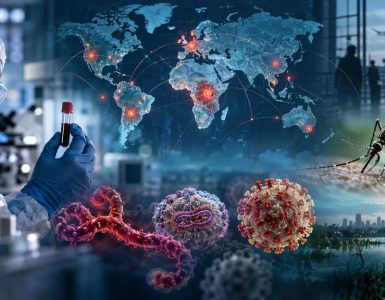
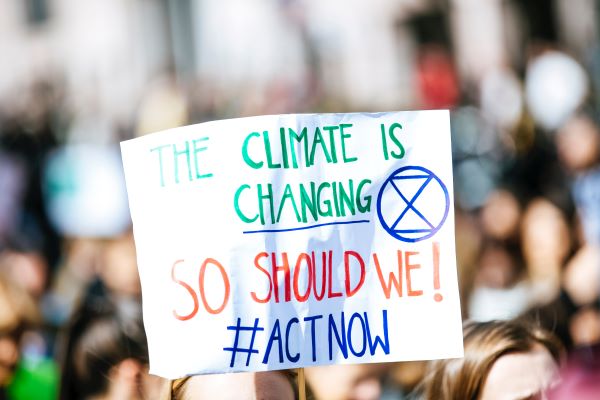
Climate change has long been considered a threat to our planet, but recent evidence underscores its significant impact on human health, particularly in relation to infectious diseases. A recent analysis revealed that an alarming 58% of infectious diseases affecting humans can be aggravated by climatic hazards. The ‘Climate Change and Epidemics 2023 Synthesis’ report, compiled by the Climate Amplified Diseases and Epidemics consortium, was launched at COP28, shedding light on the intricate links between climate change and infectious disease outbreaks. How Climate Change Aggravates Infectious Diseases The report identifies three main reasons why climate change may exacerbate infectious diseases. Firstly, climate change creates favourable conditions for disease vectors to thrive. Rising temperatures and changes in precipitation patterns contribute to the spread of pathogens and their vectors, resulting in the emergence of diseases in previously unaffected areas. Secondly, more frequent extreme climatic events, such as floods and droughts, can trigger surges of infections. These...
🔒 Premium Content - For Free
Unlock this content by becoming a Global Health Press subscriber. Join for exclusive articles, expert research, and valuable insights!