
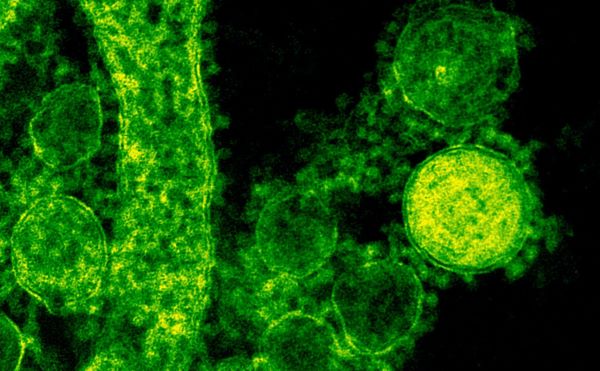
In a first, scientists use gene editing to disrupt both latent and active herpesvirus in human cells The herpes simplex virus, commonly known as the cold sore virus, is a devious microbe. It enters the body through regions lined with mucous membranes—mouth, nose and genitals—but quickly establishes lifelong viral hideouts inside nerve cells. After initial infection, the virus lurks dormant only to be reawakened periodically to cause outbreaks marked by the eruption of cold sores or blisters. In a handful of people, the consequences of viral reawakening can be devastating, including blindness and brain inflammation. Antiviral medications can prevent recurrent outbreaks, but they are not always effective, so for decades, researchers have sought a solution that would quiet the virus for good. Now, using human fibroblast cells infected with herpes simplex virus (HSV), researchers at Harvard Medical School have successfully used CRISPR-Cas9 gene editing to disrupt not only actively replicating virus but also the far-harder...
🔒 Premium Content - For Free
Unlock this content by becoming a Global Health Press subscriber. Join for exclusive articles, expert research, and valuable insights!