
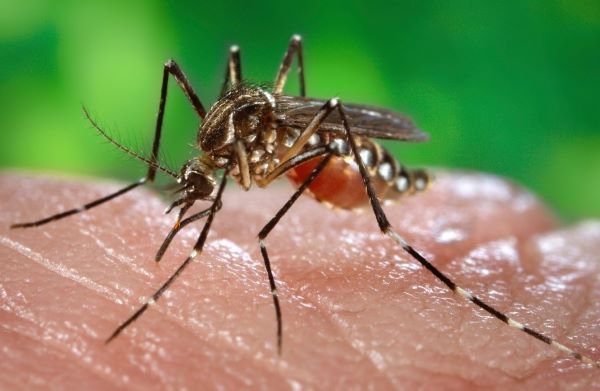
NUS scientists have revealed the structure and function of a pupal cuticle protein found in the exoskeleton – a hard covering that supports and protects the bodies of some types of invertebrate animals, especially arthropods – of Aedes aegypti mosquitoes, and scientific advancement could one day help prevent dengue virus infection. Dengue virus – from the genus flavivirus – causes dengue fever in humans and is spread from a bite of an infected female Aedes aegypti mosquito. In 2023, over 5 million cases of dengue fever were reported globally. Currently, there is no specific treatment for dengue fever and the only dengue vaccine available, namely Dengvaxia, is for children who have previously been infected with dengue virus and living in areas where dengue is common. Professor J Sivaraman and his team from the Department of Biological Sciences under the NUS Faculty of Science, set out to shed light on how cuticle proteins...
🔒 Premium Content - For Free
Unlock this content by becoming a Global Health Press subscriber. Join for exclusive articles, expert research, and valuable insights!