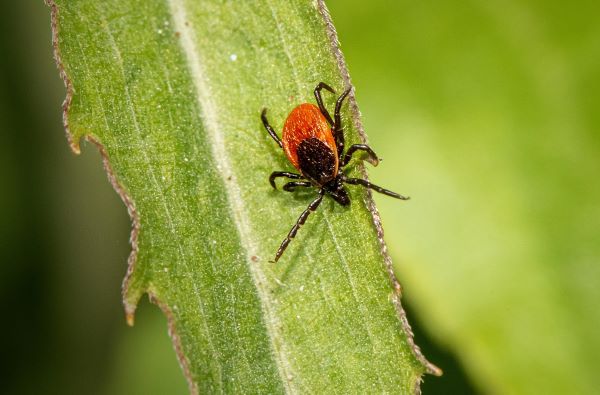
Tick-borne diseases, primarily transmitted by Ixodes scapularis (black-legged or deer tick), are increasingly prevalent in the United States, surpassing diseases spread by mosquitoes. With over 490,000 annual cases, these diseases, including Lyme disease, babesiosis, anaplasmosis, and Powassan virus, present significant public health challenges. Recently, a team of Yale physicians and researchers led by Sukanya Narasimhan, PhD, published a review highlighting the spread of the deer tick, noting that the expansion of deer populations and environmental changes are key drivers to this trend. The review underscores the public health impact of these diseases, which are often underdiagnosed due to limited understanding of their transmission dynamics. Focusing on innovative control strategies, the article discusses the potential of vaccines targeting humans and animals and explores approaches focusing on the tick vector itself. Highlighting the need for a multidisciplinary, “One Health” approach, the review calls for collaboration among various experts to develop effective and sustainable tick...
🔒 Premium Content - For Free
Unlock this content by becoming a Global Health Press subscriber. Join for exclusive articles, expert research, and valuable insights!