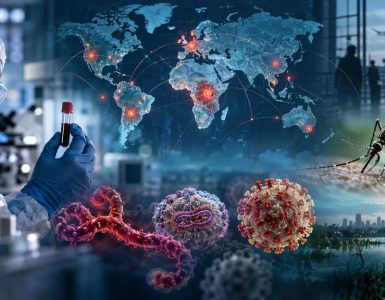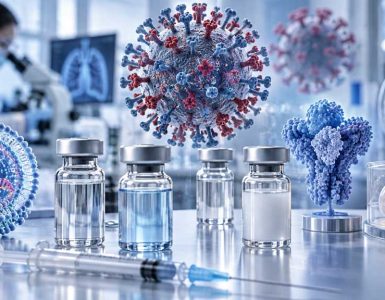

While the highly pathogenic H5N1 avian influenza virus (HPAI H5N1) poses a low risk to the general public, U.S. public health experts emphasize the importance of ongoing monitoring and preparedness. Available vaccines and treatments, alongside those under development, are believed sufficient to prevent severe disease. However, the National Institutes of Health (NIH) and its partners continue to prioritize surveillance and research to stay ahead of potential risks, according to officials at the National Institute of Allergy and Infectious Diseases (NIAID). In a recent New England Journal of Medicine commentary, NIAID Director Jeanne M. Marrazzo, M.D., M.P.H., and Michael G. Ison, M.D., M.S., chief of the Respiratory Diseases Branch at NIAID, advised balancing vigilance with normalcy in response to HPAI H5N1. The global spread and human impact of H5N1 Since emerging in 1996, HPAI H5N1 has affected at least 23 countries. By late 2021, the virus had spread from Europe to North America, causing...
🔒 Premium Content - For Free
Unlock this content by becoming a Global Health Press subscriber. Join for exclusive articles, expert research, and valuable insights!