
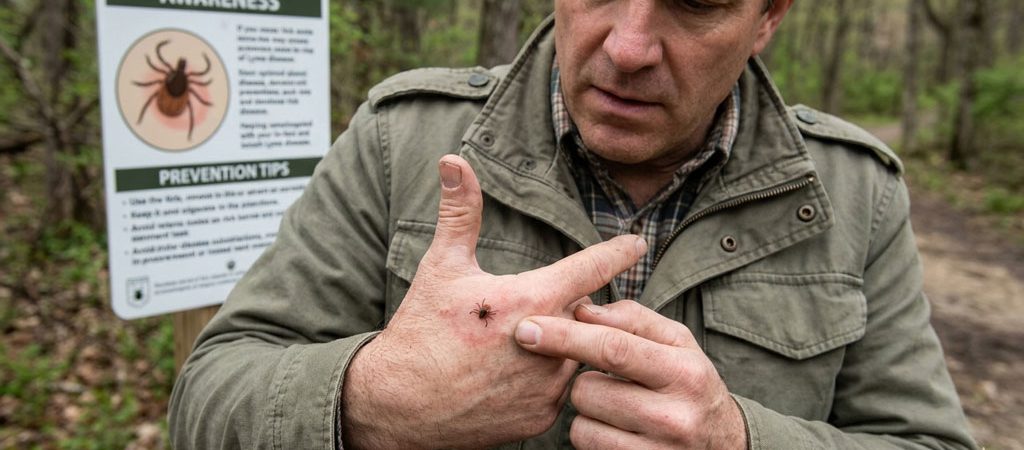
The story of early TBE research in the Soviet Union is more than a historical curiosity. It offers a vivid case study of how science, politics, and social conditions intertwine. It reminds us that medical breakthroughs do not happen in a vacuum. Zilber’s expedition and the first TBE vaccine were the products of a state that prized scientific modernity, but at the same time built a system that violently coerced labor and silenced inconvenient truths. The same regime that sent its best virologists to the Far East also arrested them when their international collaboration and nuanced explanations clashed with the needs of propaganda. It also shows how social determinants shape the data we use to characterize diseases. The dramatic mortality rates and severe sequelae in early Far Eastern TBE were not simply properties of the virus. They were outcomes of TBEV interacting with hungry, overworked, traumatized bodies in the taiga. When...
🔒 Premium Content - For Free
Unlock this content by becoming a Global Health Press subscriber. Join for exclusive articles, expert research, and valuable insights!