
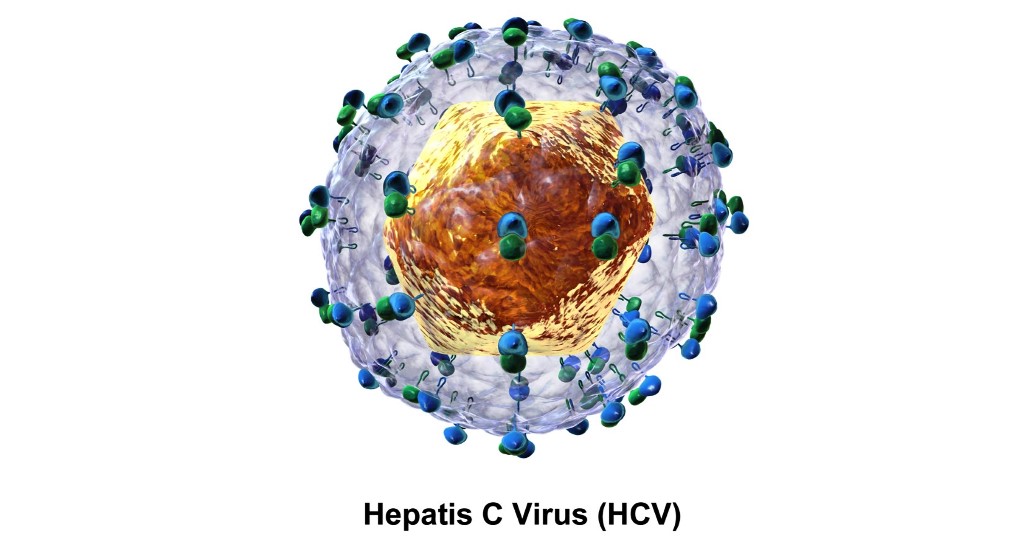
Virus induces liver cells to make molecules that inhibit production of a key immune signaling receptor. The virus that causes hepatitis C protects itself by blocking signals that call up immune defenses in liver cells, according to University of Washington researchers and colleagues reporting Nov. 14 in Nature Medicine. “The finding helps explain why many patients fail certain drug treatments, and should help develop more effective alternate treatment protocols,” said Ram Savan, the study’s corresponding author and an assistant professor of immunology in the UW School of Medicine. Hepatitis C virus is the most common cause of chronic hepatitis and the leading cause of liver cancer in the United States. It is primarily spread through contact with infected blood. Each year, more than 30,000 Americans become infected. As many as 85 percent develop life-long chronic infections. Of these patients, about one in 10 will eventually develop cirrhosis and liver cancer. In the latest study,...
🔒 Premium Content - For Free
Unlock this content by becoming a Global Health Press subscriber. Join for exclusive articles, expert research, and valuable insights!