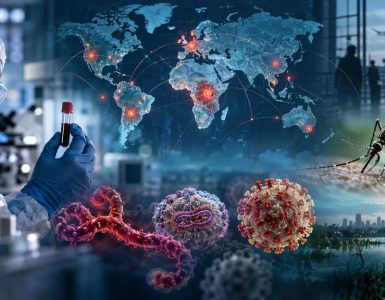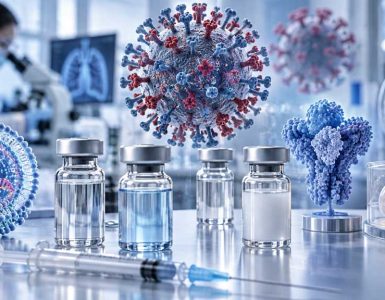

Chikungunya virus (CHIKV) is transmitted to humans by virus-carrying mosquitoes and has caused recent outbreaks in Asia, Africa and the Caribbean. CHIKV infection is characterized by fever, rash and polyarthritis that can persist for months or years. There are no licensed vaccines or antiviral therapies for CHIKV. Laurie Silva, Ph.D., and colleagues have discovered that CHIKV binds to glycosaminoglycan (GAG) molecules on the surfaces of host cells. The investigators tested two CHIKV strains – a pathogenic clinical isolate and an attenuated vaccine-candidate strain – for binding to cultured cells. Both strains required GAG expression, but they differed in affinity for GAGs (the vaccine strain binds with higher affinity than the clinical isolate). The researchers also identified a residue in the CHIKV attachment protein that influences binding to GAGs. The findings, reported in the March Journal of Virology, improve understanding of the viral and host cell determinants of CHIKV cell entry – a...
🔒 Premium Content - For Free
Unlock this content by becoming a Global Health Press subscriber. Join for exclusive articles, expert research, and valuable insights!