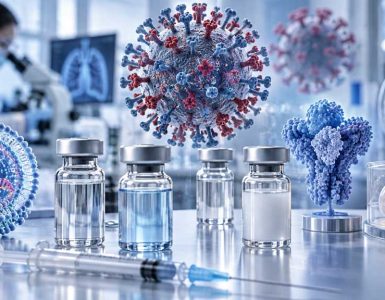
A new health study that accounts for “acquired immunity” when evaluating the risk of microbial illness from food or environmental exposures suggests that some current approaches may significantly overestimate their role in causing such illnesses. Immune status is a major factor in susceptibility to foodborne and environmental infectious diseases. By considering both the impact of acquired immunity to a pathogen and the amount of a pathogen to which people are exposed, researchers have developed a novel approach for more accurately assessing the potential health risks of infectious diseases. A.H. Havelaar and A.N. Swart, from the National Institute for Public Health and the Environment (RIVM) and Utrecht University in the Netherlands evaluated the impacts of various dose-response models on the Dutch population’s exposure to C. jejuni, a species of bacteria commonly found in animal feces, food and the environment. Dose-response models help to estimate the risk of human illness caused by differing...
🔒 Premium Content - For Free
Unlock this content by becoming a Global Health Press subscriber. Join for exclusive articles, expert research, and valuable insights!