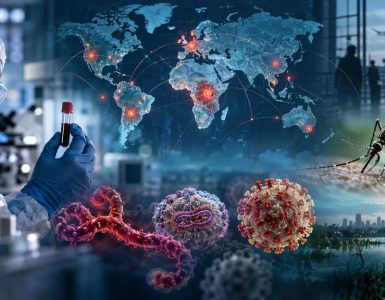

The Ebola virus spreads through direct contact with the blood or secretions of an infected person. The 2014 Ebola outbreak in West Africa is the largest Ebola outbreak in history. As of early December, more than 17,000 cases and 6,000 deaths have been reported. There are no approved drugs, but early care can improve survival. The scale of this outbreak has intensified efforts to develop a protective vaccine. NIH’s National Institute of Allergy and Infectious Diseases (NIAID) developed and tested 3 earlier investigational Ebola vaccine candidates that began Phase 1 clinical trials in 2003. The candidate Ebola vaccine in the current study was developed collaboratively by scientists at NIAID’s Vaccine Research Center and GlaxoSmithKline (GSK) based on knowledge gained from those earlier studies. The NIAID/GSK candidate vaccine contains segments of genetic material from 2 Ebola virus species, known as Sudan and Zaire. The genetic material is delivered by a carrier virus, or...
🔒 Premium Content - For Free
Unlock this content by becoming a Global Health Press subscriber. Join for exclusive articles, expert research, and valuable insights!