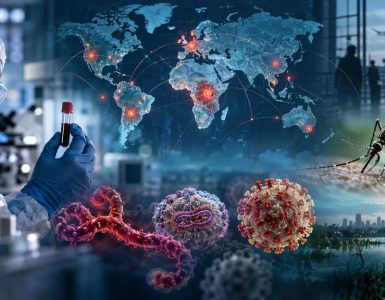
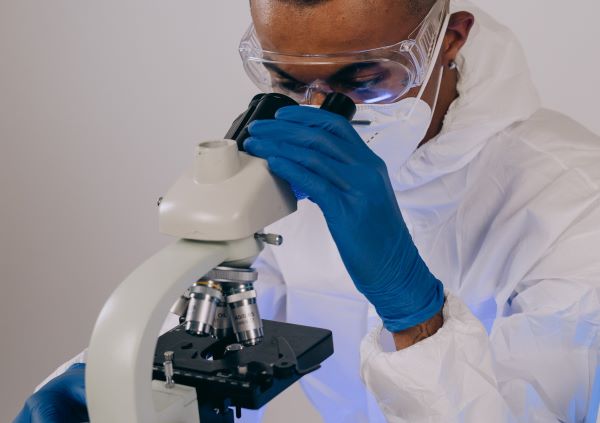
Infectious disease outbreaks in African countries are, unfortunately, all too common. Ebola in the Democratic Republic of the Congo or Uganda; Marburg virus in Guinea or Equatorial Guinea; cholera in Malawi; malaria and tuberculosis are among them. These diseases do not respect human-made or porous borders. So it’s essential that scientists in Africa are able to generate and share critical data on the pathogens in time to inform public-health decisions. Genomic sequencing technologies are powerful tools in this kind of work. They enable scientists to decode the genetic material of diseases and create biological “fingerprints” to investigate and track the pathogens that cause those diseases. This information aids in developing diagnostics, treatments and vaccines. It also helps public health authorities to guide and prepare their public health systems for effective outbreak detection and response. Tackling infectious diseases across countries and continents requires many complex, overlapping and broad interventions. One of those is a...
🔒 Premium Content - For Free
Unlock this content by becoming a Global Health Press subscriber. Join for exclusive articles, expert research, and valuable insights!