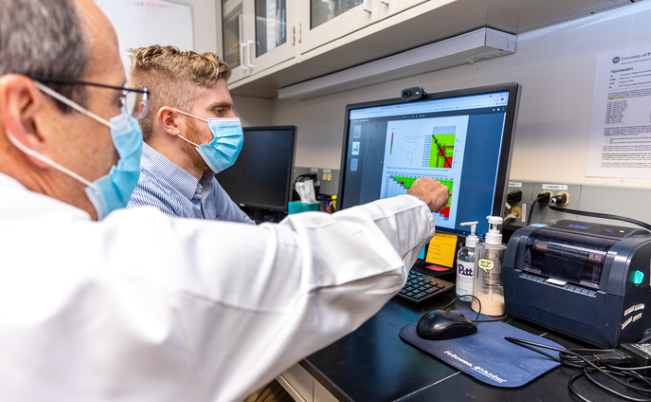
By coupling machine learning with whole genome sequencing, University of Pittsburgh School of Medicine and Carnegie Mellon University scientists greatly improved the quick detection of infectious disease outbreaks within a hospital setting over traditional methods for tracking outbreaks. The results, published in the journal Clinical Infectious Diseases, indicate a way for health systems to identify and then stop hospital-based infectious disease outbreaks in their tracks, cutting costs and saving lives. The Enhanced Detection System for Healthcare-Associated Transmission (EDS-HAT) couples the recent development of affordable genomic sequencing with computer algorithms connected to the vast trove of data in electronic health records. When the sequencing detects that any two or more patients in a hospital have near-identical strains of an infection, machine learning quickly mines those patients’ electronic health records for commonalities – whether that be close proximity of hospital beds, a procedure using the same equipment or a shared health care provider –...
🔒 Premium Content - For Free
Unlock this content by becoming a Global Health Press subscriber. Join for exclusive articles, expert research, and valuable insights!