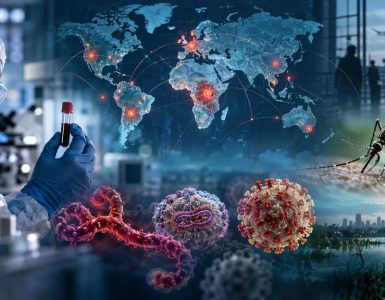

Experts sometimes describe Southeast Asia as a “hotspot” for emerging infectious diseases (EIDs) because several major outbreaks have started in this region. Now, with unprecedented levels of connection between animals and people through urbanization, and of people with other people through increased air travel, scientists say the threat level for new diseases is high. The US-based Centres for Disease Control and Prevention (CDC) note that approximately 75 percent of EIDs found in humans are zoonoses – initially transmitted from animals to humans. The Ebola virus originally came from bats, HIV was likely transmitted from primates, and H5N1 Influenza A (bird flu) came from chickens. A 2013 paper on Southeast Asia in the journal of Emerging Infectious Diseases pointed out: “The probability of new emerging diseases may be reduced by many… socioeconomic changes such as urbanization, and the industrialization and commercialization of agriculture and food production.” But the authors also warned that these...
🔒 Premium Content - For Free
Unlock this content by becoming a Global Health Press subscriber. Join for exclusive articles, expert research, and valuable insights!