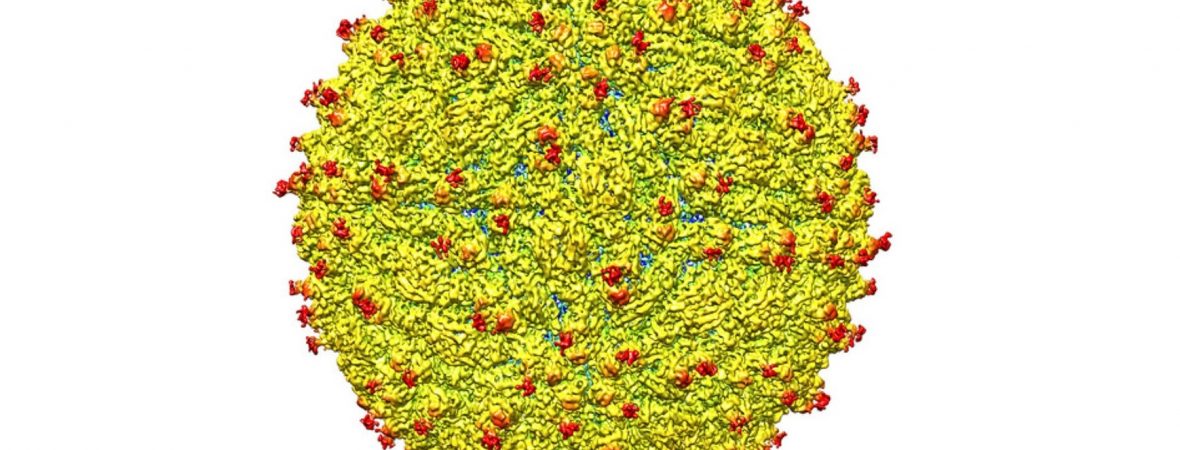
A unique formulation of multiple amino acids inhibits the replication of Zika virus by up to 90 percent in human and non-human primate cells, according to a study led by Georgia State University. The study authors tested a novel formulation of three free-form amino acids (FFAAP)—cystine, glycine and glutamate, as well as a minute amount of selenium—that was previously known to increase biosynthesis (or production) of glutathione, an antioxidant, within cells. Intracellular glutathione has been shown to adversely affect certain viruses, including HIV, suggesting that it could be an active cell defense. After working to successfully solubilize FFAAP, Julia Hilliard, professor of biology, and Mugdha Vasireddi, research scientist, analyzed its effects in human placental cells and Africa green monkey cells that had been infected with Zika. “We chose each of these cells because they lack the ability to produce interferon, a protein that could dampen replication of the virus,” said Hilliard, a...
🔒 Premium Content - For Free
Unlock this content by becoming a Global Health Press subscriber. Join for exclusive articles, expert research, and valuable insights!