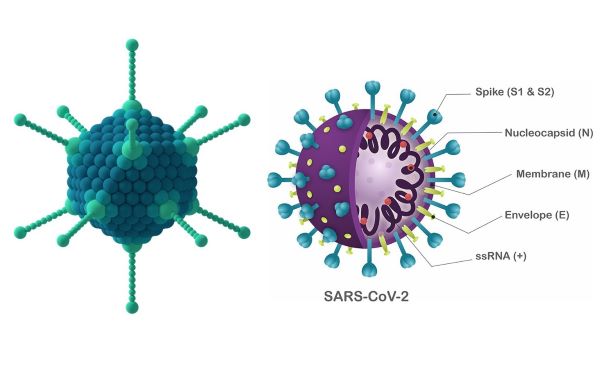
Researchers from the University of Liverpool’s Centre for Drug Safety Science have identified unpredicted T-cell immune responses to the adenoviral (Oxford/AstraZeneca and Janssen) COVID-19 vaccines, but not to the mRNA vaccines. Using blood samples from healthy participants collected ten years prior to the COVID-19 pandemic, and therefore before any of the COVID-19 vaccines were developed, the researchers investigated how immune cells in blood – including cells called T lymphocytes, which are important in mounting immune responses to viruses and bacteria – responded to the different vaccine types. The study showed that between 90-95% of participants who donated blood samples unexpectedly produced strong T-cell responses following exposure to the adenoviral vaccines in a laboratory setting. The AstraZeneca ChAdOx1 vaccine, now no longer in use, was developed from the chimpanzee adenovirus because previous studies had shown a low frequency of antibodies (also called low seroprevalence) which reacted against this virus. This low frequency would therefore...
🔒 Premium Content - For Free
Unlock this content by becoming a Global Health Press subscriber. Join for exclusive articles, expert research, and valuable insights!