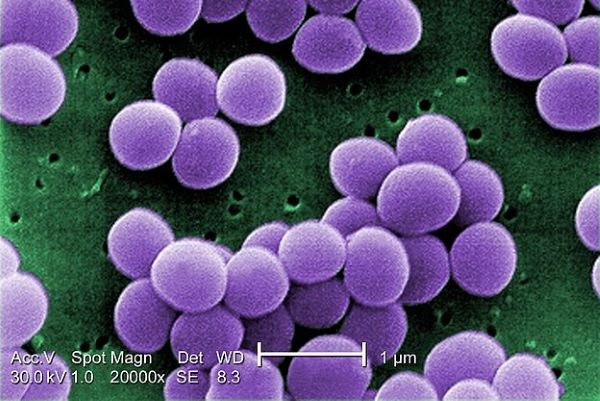
Researchers from Trinity College Dublin have taken a leap forward in understanding how we might fight back against the potentially deadly MRSA bacterium. They have shown in an animal model that targeting a key suppressive immune molecule (IL-10) during the delivery of a vaccine improves the ability of the vaccine to protect against infection. The bacterium Staphylococcus aureus is one of the leading causes of community- and hospital-acquired bacterial infection, and is associated with over one million deaths worldwide each year. Unfortunately, antibiotics are becoming increasingly less effective against this bacterium with the antibiotic-resistant form, MRSA, responsible for the highest number of deaths in high-income countries that are attributable to antimicrobial resistant bacterial infections. As a result, scientists are keenly focused on finding solutions to turn the tide in fighting S. aureus-related infections. One hugely appealing option is a vaccine but, while some progress has been made on that front in recent...
🔒 Premium Content - For Free
Unlock this content by becoming a Global Health Press subscriber. Join for exclusive articles, expert research, and valuable insights!