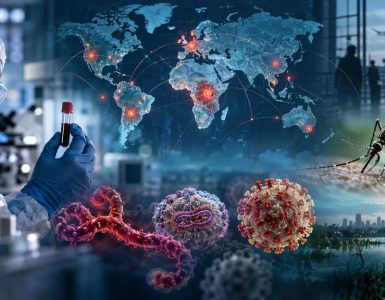

If you lined up everything alive on the planet today and counted them one-by-one, you’d find that viruses are the most common creatures by far. Pervasive, pathogenic varieties are notoriously hard to treat, as the recent Ebola outbreak and the Zika pandemic attest. Why is that? Well first off, they are incredibly small, a hundred times smaller than your average human cell. Though they cannot take the immune system head on, they can infiltrate your body, hijack cells and use them to replicate. Once inside, a virus splices its own DNA into that of the host cell. It takes over and uses the cell’s own machinery to replicate itself. Those viruses move on to other hosts, and in this way a virus infects the body. Today, we have antiretroviral drug therapy (ART) such as is given to HIV patients, which inhibits viral replication. A person can live normally, without the virus...
🔒 Premium Content - For Free
Unlock this content by becoming a Global Health Press subscriber. Join for exclusive articles, expert research, and valuable insights!