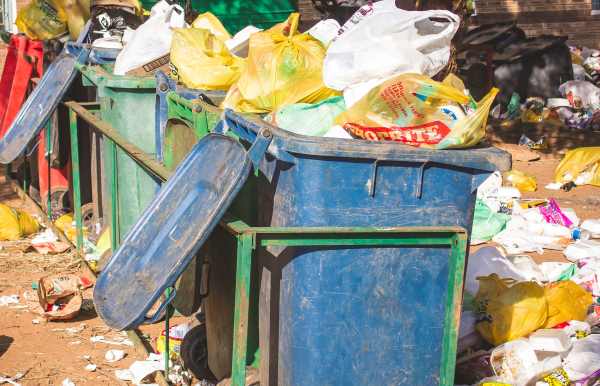
With the risk of mosquito-borne disease expected to grow with climate change, a new study by Stanford researchers and their Kenyan colleagues sheds light on the factors that put communities at risk for these illnesses – including the presence of trash. As warming temperatures make many parts of the world increasingly hospitable to mosquitoes, the risk for dangerous tropical illnesses, such as dengue infection and chikungunya, is expected to spread. In the face of this growing threat, a new study by Stanford researchers and their Kenyan colleagues sheds light on the factors that put communities at risk for these illnesses – including the presence of trash. With this knowledge, researchers say, communities can better protect themselves from infection. The first-of-its-kind study followed a cohort of 3,521 children in western and coastal Kenya from 2014-2018, testing them for evidence of three potentially deadly, mosquito-borne illnesses: dengue, chikungunya, and malaria. Researchers followed children because it...
🔒 Premium Content - For Free
Unlock this content by becoming a Global Health Press subscriber. Join for exclusive articles, expert research, and valuable insights!