
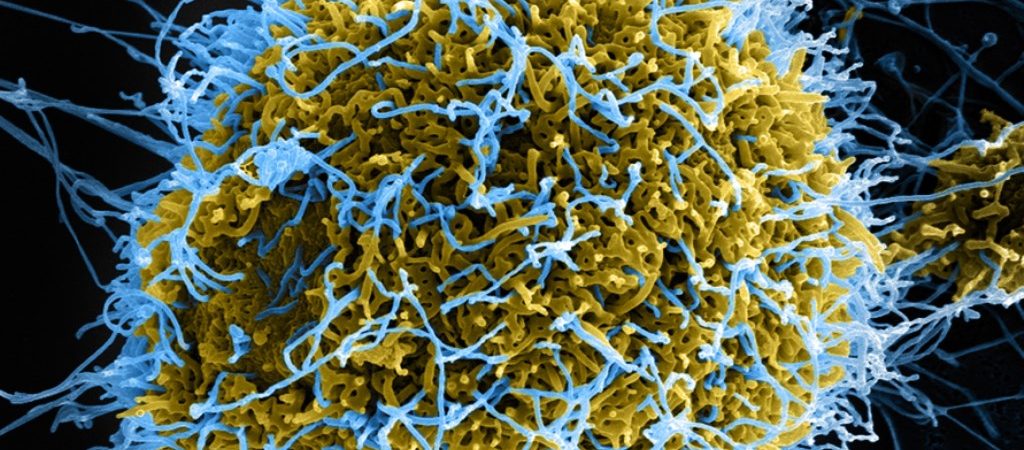
In order for the Ebola virus (EBOV) to hijack a cell, it must first “board” its intended mass replication vehicle. The biomechanics of this process have been elusive, hindering the development of potential clinical therapies to treat the disease, as well as, control the spread of infection. Yet now, scientists from Lehigh University and the University of Iowa have developed a simple model for EBOV-host interaction. Findings from the new study were published recently in Scientific Reports through an article titled “Biomechanical characterization of TIM protein-mediated Ebola virus-host cell adhesion.” It was recently reported that the number of Ebola cases in the Democratic Republic of Congo has surpassed 1,000, making it the second-worst outbreak in history after the 2014 outbreak in West Africa in which 29,000 people were infected and more than 11,000 died. This latest milestone is a stark reminder of the urgent need to develop effective prevention and treatment...
🔒 Premium Content - For Free
Unlock this content by becoming a Global Health Press subscriber. Join for exclusive articles, expert research, and valuable insights!