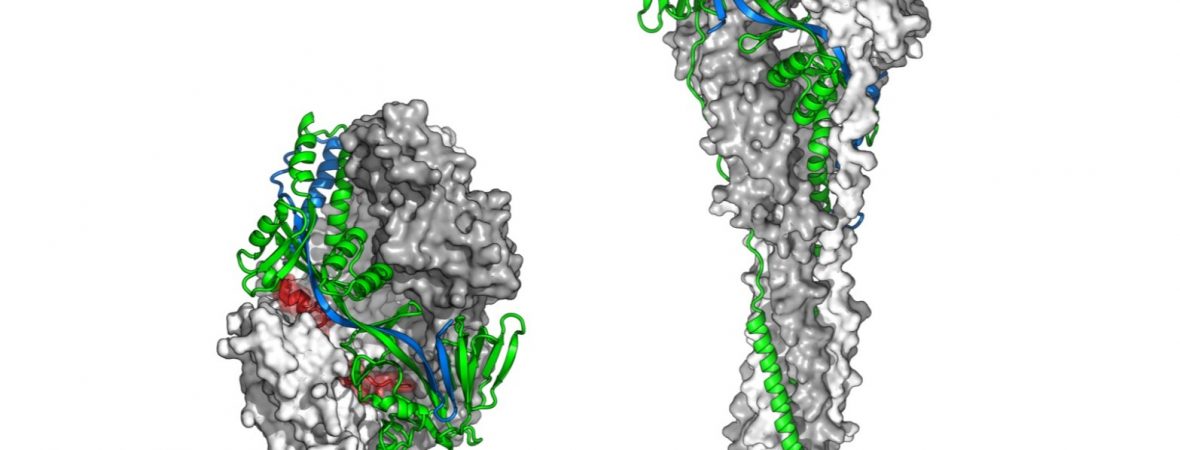
An experimental vaccine against respiratory syncytial virus (RSV), one of the leading causes of infectious disease deaths in infants, has shown early promise in a Phase 1 human clinical trial. A team of researchers, including The University of Texas at Austin’s Jason McLellan, report today in the journal Science that one dose of their vaccine candidate elicited large increases in RSV-neutralizing antibodies that were sustained for several months. People contract RSV in all stages of life, but it’s most dangerous in the very young and the very old. The virus causes pneumonia, bronchiolitis and other lower respiratory tract diseases. Every year, millions of people become sickened by RSV, and more than 100,000 die, mostly in areas that lack access to modern medical care. For infants under 1 year of age, RSV is second only to malaria for infectious disease deaths. Barney Graham and Peter Kwong of the National Institute of Allergy and Infectious Diseases’ Vaccine Research...
🔒 Premium Content - For Free
Unlock this content by becoming a Global Health Press subscriber. Join for exclusive articles, expert research, and valuable insights!