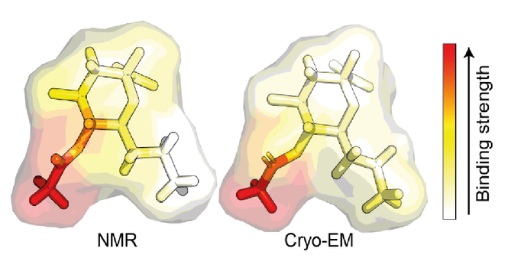
One of the best-known aspects of the Covid-19 pandemic is that the virus ‘jumped’ into people from animals – perhaps bats or pangolins – in a process known as zoonotic transfer. What hasn’t been clear to scientists is exactly how, from a mechanistic point of view, the virus moved between animal and human cells as part of that initial leap and what tricks the virus might have used in its journey. Now, an international team led by scientists at the Rosalind Franklin Institute has demonstrated that, despite prior uncertainty, SARS-CoV-2’s spike protein can indeed latch on to sugars known as sialic acids found on the surface of human host cells. That’s in addition to the ACE2 protein that has long been known to attach to the receptor-binding domains (RBDs) that sit atop SARS-CoV-2’s crown-like spikes. Professor Ben Davis of the Rosalind Franklin Institute, one of the paper’s senior authors, said: ‘Two of the...
🔒 Premium Content - For Free
Unlock this content by becoming a Global Health Press subscriber. Join for exclusive articles, expert research, and valuable insights!