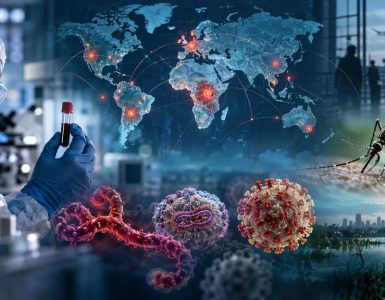

Researchers have developed a groundbreaking method to rapidly identify infectious and vaccine-resistant variants of viruses and bacteria, including those causing influenza, COVID-19, whooping cough, and tuberculosis. Using samples from infected individuals, the approach enables real-time monitoring of circulating pathogens and automated detection of genetic changes in emerging variants. This can inform the development of more effective vaccines and guide treatment strategies by identifying antibiotic-resistant strains. By analyzing genetic sequencing data, the method provides critical insights into how and why new variants spread in human populations. Addressing gaps in surveillance While COVID-19 and influenza surveillance programs are well-established, few systems are in place to monitor other infectious diseases. This new technique represents a significant improvement over traditional approaches, which rely on expert panels to determine when a virus or bacterium has mutated sufficiently to be classified as a new variant. Using “family tree” analysis, the method automatically identifies new variants based on genetic changes and...
🔒 Premium Content - For Free
Unlock this content by becoming a Global Health Press subscriber. Join for exclusive articles, expert research, and valuable insights!