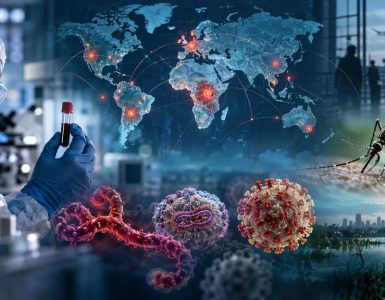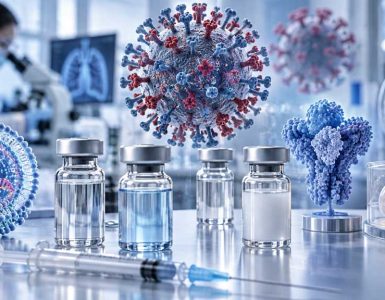

Pregnancy is still a paradigmatic “stress test” for host defense against infection, but the picture has broadened considerably since the 2014 Kourtis review. The core message remains that pregnancy does not globally suppress immunity; instead, it reshapes immune, cardiovascular, respiratory, and metabolic systems in ways that alter susceptibility and response to specific pathogens. Since then, COVID‑19 has provided a stark real‑world experiment, and newer work has added mechanistic and epigenetic depth. Where we still are, why pregnancy changes infectious‑disease risk Key physiological themes from Kourtis et al. remain valid: Cardiopulmonary changes (increased oxygen consumption, reduced functional residual capacity, diaphragm elevation) reduce respiratory reserve and increase the impact of pneumonia and hypoxemia. Hemodynamic and coagulation changes increase the risk of sepsis‑associated organ failure, venous thromboembolism, and microvascular complications. Immune adaptation is not “immunosuppression” but a shift toward tolerance at the maternal–fetal interface, altered innate responses, and nuanced changes in T‑cell and B‑cell compartments. Clinically, pregnant women continue...
🔒 Premium Content - For Free
Unlock this content by becoming a Global Health Press subscriber. Join for exclusive articles, expert research, and valuable insights!