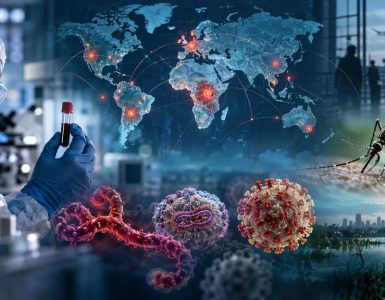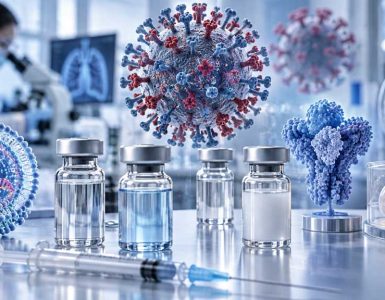
We share this planet with more microorganisms than we can meaningfully picture—and understanding just how small a fraction of them threatens us reframes how we think about vaccines, exposure, and immunity. A planet ruled by microbes Microorganisms make up roughly 70% of all biomass on Earth, thriving in places no larger organism could survive: Arctic ice, deep-sea trenches, and the scalding waters of hot springs. Humans move through this invisible world constantly, encountering uncountable viruses and bacteria every single day simply by breathing, eating, and touching surfaces. Even our own bodies are more microbial than humans. Revised estimates put the ratio of bacteria to human cells at close to 1:1, with the colon alone hosting a staggering concentration of that microbial population. Some studies suggest human cells account for as little as 43% of our total cell count, with the rest belonging to bacteria, viruses, and fungi that live on and in us....
🔒 Premium Content - For Free
Unlock this content by becoming a Global Health Press subscriber. Join for exclusive articles, expert research, and valuable insights!