
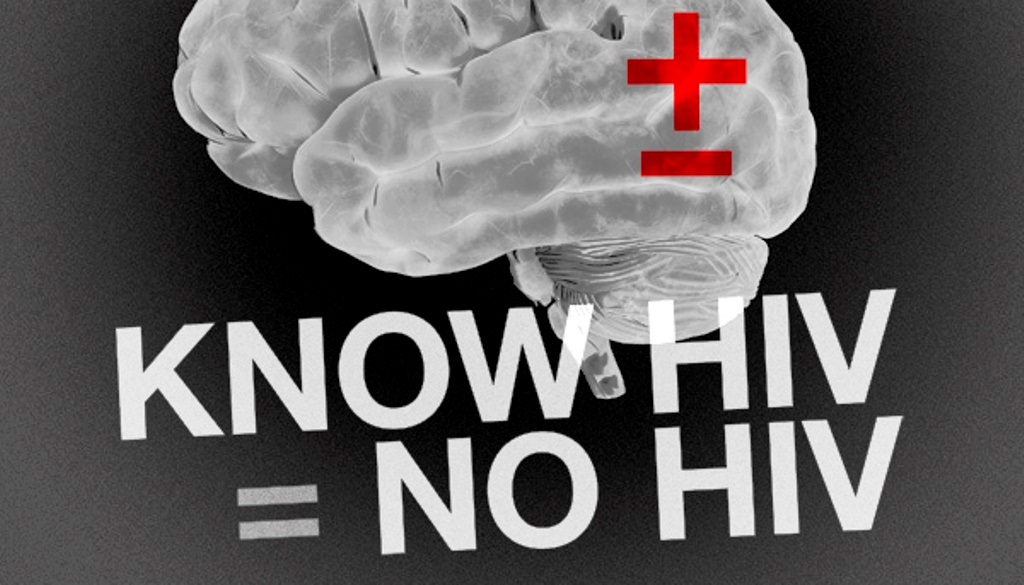
Researchers from The Scripps Research Institution (TSRI), Harvard, MIT and other institutions made ground-breaking discoveries that has led to a HIV (Human Immunodeficiency Virus) vaccine that could be tested in humans in as little as 2 years. This vaccine, administered via several injections over weeks to months, works by providing man-made molecules that mimic specific parts of the virus structure to gradually train the immune system to make broadly neutralizing antibodies against HIV. Challenges One main challenge of developing a HIV vaccine is to keep up with the virus’ ability to mutate rapidly into new strains. HIV causes victims to become immune-deficient by continuously mutating while the body’s immune system relentlessly attempts to cope. Left untreated, infected people develop AIDS (Acquired Immune Deficiency Syndrome). In addition, HIV is remarkably different from other viruses by being covered with shielding proteins which act as decoys. The immune system develops antibodies against these decoys instead of...
🔒 Premium Content - For Free
Unlock this content by becoming a Global Health Press subscriber. Join for exclusive articles, expert research, and valuable insights!