
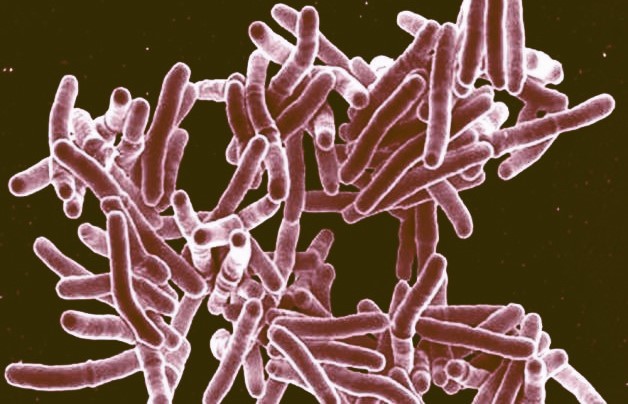
University of Oxford researchers have for the first time established a controlled human infection model for tuberculosis (TB) that infects people via the lungs – the way TB enters the body. The clinical trial, which used the BCG vaccine delivered via aerosol into participants’ lungs, is a first step towards establishing a challenge model that can be used to test new TB vaccines. Human challenge models have contributed significantly to the development of vaccines for diseases such as malaria or typhoid, especially in early-phase trials. They help scientists select which vaccines should be taken forward into larger field efficacy studies and could be particularly useful with pathogens like tuberculosis, where vaccine development is very difficult. Unlike malaria and typhoid, where participants were given the virulent form of the disease, it would not be ethical to give people tuberculosis; while there are effective treatments for malaria and typhoid, no such quick, effective treatment exists...
🔒 Premium Content - For Free
Unlock this content by becoming a Global Health Press subscriber. Join for exclusive articles, expert research, and valuable insights!