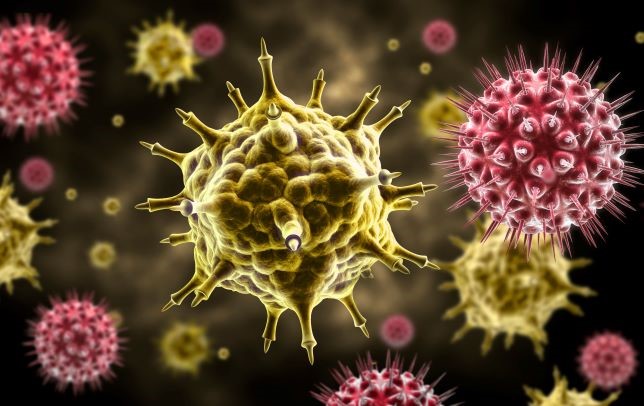
Food and water-borne diseases, respiratory infections and vaccine-preventable infections are a risk in the upcoming period, with the potential to cause outbreaks, particularly as survivors are moving to temporary shelters. The damaged utility infrastructure, including water and electricity, causing limited access to clean water, inadequate sanitation and hygiene facilities, improper refrigeration, and cooking systems, may increase the occurrence and transmission of food-and waterborne illnesses. A surge of cholera cases in the affected areas is a significant possibility in the coming weeks. Cholera is a concern in war-torn North-Western Syria, where authorities have reported thousands of cases as the country has been trying to control an outbreak since September 2022. A planned vaccination campaign disrupted by the earthquakes should be accelerated. Additionally, other food and or waterborne diseases can cause outbreaks in camps: viral infections such as hepatitis A, norovirus and rotavirus, infections caused by parasites or bacterial infections. The Availability of clean water...
🔒 Premium Content - For Free
Unlock this content by becoming a Global Health Press subscriber. Join for exclusive articles, expert research, and valuable insights!