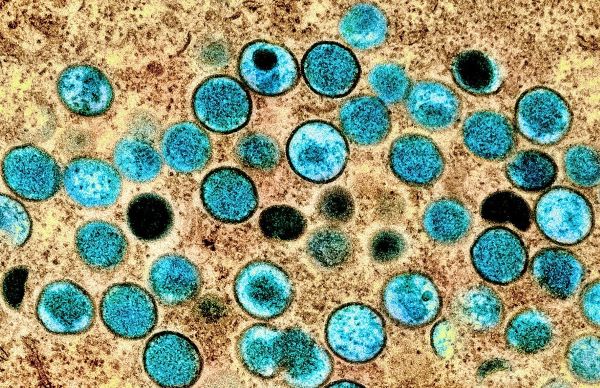
For decades, mpox, a zoonotic disease caused by the monkeypox virus, has posed a persistent public health challenge in parts of Central and West Africa, where it is endemic. Despite its impact, the disease remained largely underresearched and underfunded. The global outbreaks of mpox in 2022, however, shifted international focus back to the virus, exposing the urgency of understanding its transmission and highlighting the invaluable role of African scientists and public health experts, who have long been at the forefront of studying and combating its spread. Putting the silent crisis into historical context Long before the virus garnered global attention, African health authorities were leading efforts in surveillance, diagnosis, and case management. Mpox, primarily transmitted through contact with infected animals such as rodents and primates, has persisted in rural regions where healthcare resources are often scarce. In spite of these constraints, African scientists have made significant contributions to the understanding of the...
🔒 Premium Content - For Free
Unlock this content by becoming a Global Health Press subscriber. Join for exclusive articles, expert research, and valuable insights!