
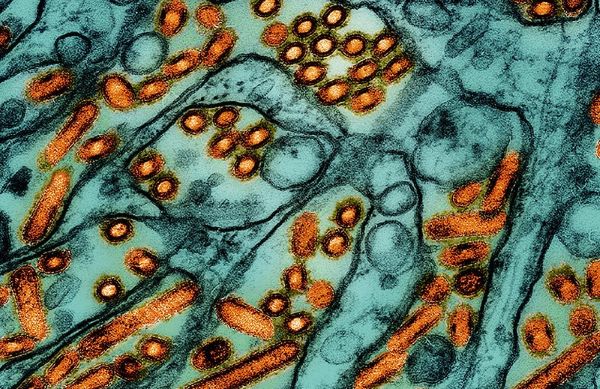
Promising preclinical results from a new Penn Medicine study suggest an mRNA vaccine platform could limit the impact of avian flu pandemics. An experimental mRNA vaccine against avian influenza virus H5N1 is highly effective in preventing severe illness and death in preclinical models. The vaccine could potentially help manage the outbreak of the H5N1 virus currently circulating in birds and cattle in the United States, and prevent human infections with the virus, according to research from the Perelman School of Medicine published in Nature Communications. “The mRNA technology allows us to be much more agile in developing vaccines; we can start creating a mRNA vaccine within hours of sequencing a new viral strain with pandemic potential,” says Scott Hensley, a professor of microbiology. “During previous influenza pandemics, like the 2009 H1N1 pandemic, vaccines were difficult to manufacture and did not become available until after the initial pandemic waves subsided.” Hensley and his laboratory...
🔒 Premium Content - For Free
Unlock this content by becoming a Global Health Press subscriber. Join for exclusive articles, expert research, and valuable insights!