
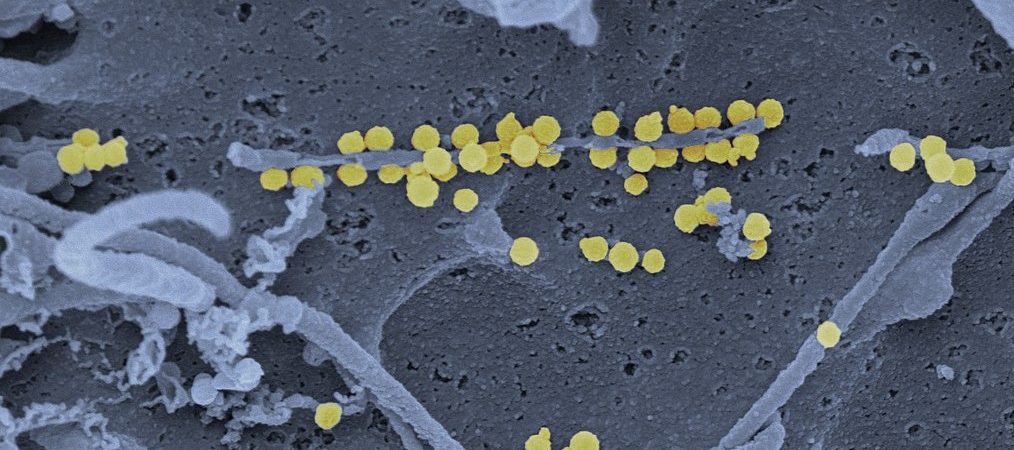
An experimental vaccine developed in Europe to prevent infection by Crimean-Congo hemorrhagic fever virus (CCHFV) has protected cynomolgus macaques in a new collaborative study from National Institutes of Health scientists. The animals received the DNA-based candidate vaccine through intramuscular injection immediately followed by electroporation — a process in development for human vaccines that helps cells absorb DNA. The study, published in Nature Microbiology, comes about three years after the same research group developed the macaque model for CCHFV. No specific treatments or vaccines for CCHFV exist. Crimean-Congo hemorrhagic fever, first described in 1944, is spread primarily by the bite of Hyalomma ticks found in the Middle East, Asia, Africa and parts of Europe. The virus also can be transmitted to people by direct contact with infected fluids or tissue from people or certain livestock species. CCHFV infects up to 15,000 people annually, according to the World Health Organization. About 1 in 8...
🔒 Premium Content - For Free
Unlock this content by becoming a Global Health Press subscriber. Join for exclusive articles, expert research, and valuable insights!